

Virginia's New Law Turns Winchester Buildings Into Homes
What Does Virginia's New Conversion Tax Law Mean for Winchester?
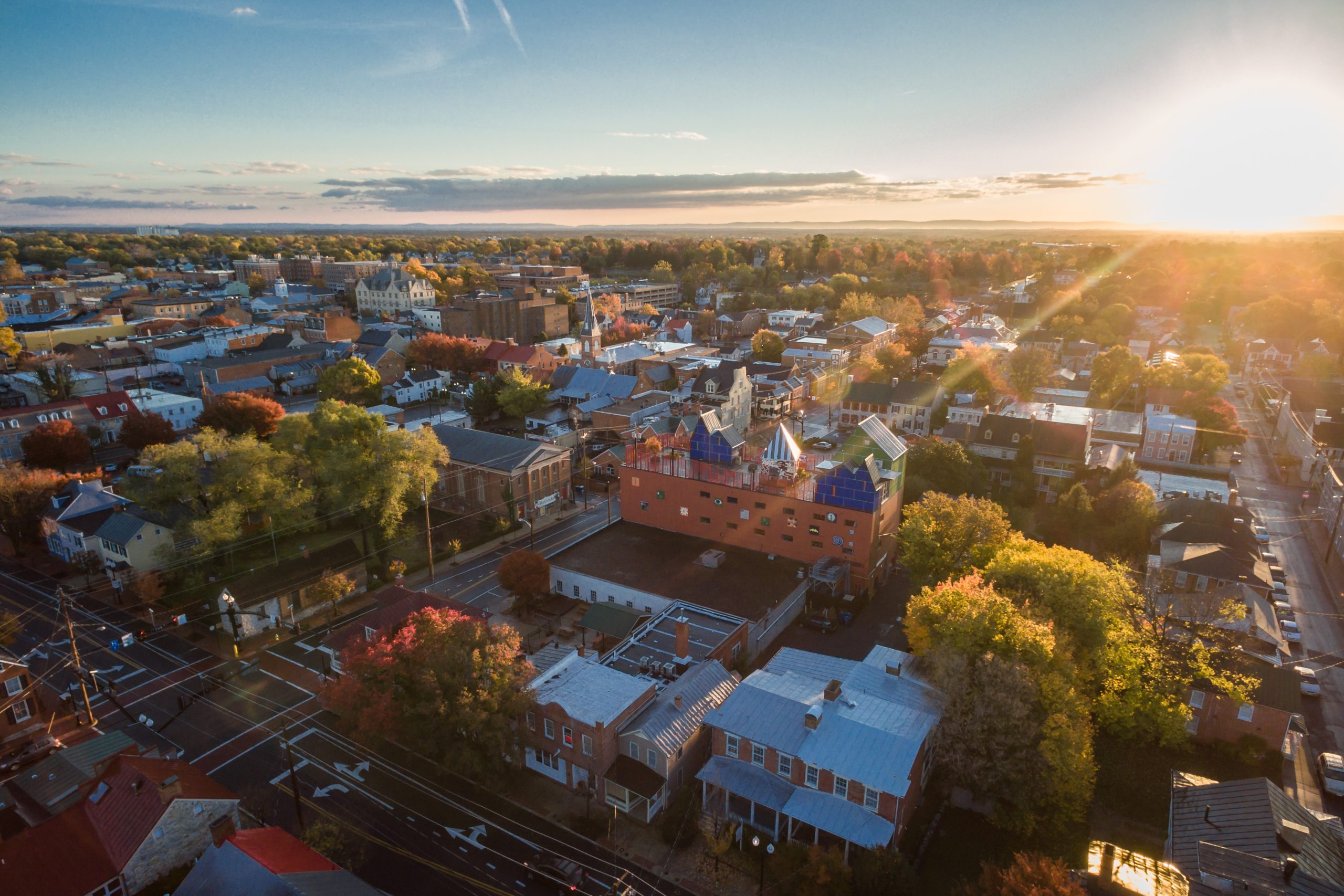
Virginia's new SB 181, effective July 1, 2026, lets local governments offer a partial property tax exemption to owners who convert older commercial, retail, or religious buildings into residential units. To qualify, the building generally has to be at least 15 years old and eligible for depreciation. In Winchester, this directly touches the city's stock of aging Old Town storefronts and the kind of project already underway at the Cedar Valley Neighborhood Design District — and it opens a new path for both building owners weighing a conversion and buyers eyeing a home in one of these repurposed spaces.
By ERA OakCrest Realty | September 29, 2026
If you've driven through Old Town Winchester lately, you've probably noticed the mix: beautifully occupied storefronts next to buildings that have sat vacant or underused for years. Virginia just gave local governments a new tool to change that math, and it's worth understanding whether it changes yours, too.
What SB 181 Actually Changes
Before this law, converting an old commercial or retail building into apartments or condos was purely a private financial bet. The building owner absorbed the full cost of the conversion, then paid full property taxes on the new, presumably higher assessed value the moment the work was done.
SB 181 changes that equation. Starting July 1, 2026, Winchester and other Virginia localities can choose to offer a partial, temporary property tax exemption on the added value created by converting an eligible retail, commercial, or religious building into residential use. The building generally needs to have been in service for at least 15 years before conversion begins, and it needs to be the kind of structure that qualifies for depreciation under federal tax rules — in other words, this targets exactly the type of older commercial stock that fills in Old Town's side streets and the fringes of downtown.
A few things worth flagging up front:
- This is a local option, not a mandate. Winchester's city council has to adopt an ordinance before this exemption exists here. If you're considering a project, your first call should be to city planning to confirm whether — and how — Winchester has opted in.
- The exemption applies to the added value, not the whole property. You'll still pay property tax on the building's pre-conversion assessed value. The break applies to the increase created by the residential conversion itself.
- It's temporary. These exemptions typically phase out over a set number of years rather than lasting forever — the exact schedule depends on the ordinance your locality adopts.
None of this comes with a specific percentage or dollar figure baked into state law — that detail gets set locally, and it will vary depending on what Winchester's council decides. If you're weighing a real project, that's a conversation for your accountant, a local land-use attorney, and an agent who knows how these conversions actually sell once they're finished.
If You Own an Older Commercial Building in Winchester
This is the moment a lot of Old Town property owners have been waiting for, whether they realized it or not. Plenty of buildings downtown are structurally sound but economically stuck — too small for a modern retail tenant, too expensive to renovate for commercial use, and sitting on land that would support a handful of residential units instead.
If that description fits a building you own, a few questions are worth working through before you commit to anything:
- Does the building actually qualify? Age and depreciation eligibility are the two gatekeeping requirements. A quick conversation with a tax professional or the Commissioner of the Revenue's office can confirm where your property stands.
- Has Winchester adopted the ordinance, and what does it offer? Until the city acts, this remains a possibility rather than a benefit you can bank on. Ask specifically what percentage of added value would be exempted and for how many years.
- Does the conversion pencil out even without the tax break? The exemption should sweeten a project that already makes sense — permitting, life-safety upgrades, plumbing and electrical work for residential use, and parking requirements all add real cost. Treat the tax exemption as one input, not the whole decision.
- What's your exit? Are you planning to sell finished units, lease them, or hold and refinance? Each path has different implications for how you structure the project and what buyers or tenants will expect walking in.
This is exactly the kind of decision where a local market read matters more than a spreadsheet. Knowing what similar converted units have sold for, how quickly they've moved, and what buyers in this price range are actually looking for can be the difference between a project that pencils and one that doesn't.
If You're Buying a Home in a Converted Building
On the other side of this, Winchester's downtown conversion pipeline — including the units coming out of the Cedar Valley Neighborhood Design District redevelopment near the former Ward Plaza site — means more buyers will have the option to buy a home in a building that used to be something else entirely.
That can be a great option. It can also come with a different set of questions than buying new construction or a traditional resale:
- Ask about the building's permitting history. A residential conversion should come with a full paper trail — occupancy permits, inspections, and any code upgrades required to convert the space. Your agent and a qualified home inspector should both be looking at this closely.
- Understand what's original and what's new. Converted buildings often keep original structural elements — brick walls, high ceilings, exposed beams — while systems like plumbing, electrical, and HVAC get fully replaced. Know which is which before you buy.
- Check the condo or HOA structure, if there is one. Multi-unit conversions often get organized as condominiums, which means condo association documents, reserve funds, and monthly dues become part of your due diligence, just as they would with any other condo purchase.
- Ask how sound and layout compare to new construction. Older buildings sometimes have quirks — shared walls, less-than-ideal room shapes, limited outdoor space — that are worth weighing against the character and location you're gaining.
None of this should scare you off a converted unit. It just means the questions are a little different than the ones you'd ask about a new-construction townhome out toward Stephenson or a resale in Stephens City, and it's worth having someone in your corner who knows how to ask them.
What This Means for Winchester's Housing Supply
Zoom out, and SB 181 is one more piece of a broader push to add housing supply without expanding Winchester's footprint. It sits alongside the state's new accessory dwelling unit mandate and the manufactured-home zoning parity law passed earlier this year — different tools aimed at the same underlying goal: more places to live in a market where new construction east of the city and demand from Northern Virginia commuters have kept pressure on inventory.
For buyers, that means more variety is coming online over time — not just single-family homes in new subdivisions, but condos and apartments carved out of buildings with real history. For owners of underused commercial property, it means the math on doing something with that building just got a little friendlier, assuming Winchester adopts the ordinance and the numbers work for your specific property.
Either way, this isn't a decision to make from a blog post. Whether you're sizing up a conversion project or trying to decide if a downtown unit is the right move for your next home, the details — what Winchester's council actually adopts, what a specific building qualifies for, what a converted unit is really worth — depend on your situation and this market right now.
Frequently Asked Questions
Does Winchester currently offer the SB 181 property tax exemption?
Not automatically. SB 181 gives Virginia localities the option to adopt this exemption by ordinance; it does not create it statewide. Check with the City of Winchester's planning or finance office, or ask your agent, to confirm the current local status before assuming the exemption applies to a specific property.
What kind of buildings qualify for the conversion exemption?
The law is aimed at commercial, retail, or religious-use buildings that have been in service for at least 15 years and are eligible for depreciation under federal tax rules. A tax professional or the local Commissioner of the Revenue can confirm whether a specific building meets these requirements.
Is buying a home in a converted building a good idea compared to new construction?
It depends on your priorities. Converted buildings often offer character, location, and price advantages that new construction can't match, but they come with a different due-diligence checklist — permitting history, condo association structure, and which building systems were actually replaced during conversion. A qualified inspection and an agent familiar with conversions both matter here.
How much of a tax break would a converted building actually get?
Virginia's new law sets the framework, but the exact percentage exempted and how many years it lasts are set locally, not by the state. Those figures will depend on the ordinance Winchester adopts, so ask your locality directly and loop in your accountant before running numbers on a specific project.
Does this affect projects like the Cedar Valley Neighborhood Design District redevelopment?
The type of redevelopment happening at sites like the former Ward Plaza is exactly the kind of project this law is designed to support, though every specific building's eligibility depends on its age, prior use, and whether it meets the depreciation-eligibility requirement. It's a useful local example of the broader trend this law is meant to encourage.
Winchester's building stock is changing, and this new law gives owners and buyers one more option to consider — but the right move still depends on your specific property, your timeline, and your goals. Reach out to ERA OakCrest Realty to talk through what this could mean for your situation, whether you're sizing up a conversion or looking for your next home in Winchester.
About ERA OakCrest Realty
ERA OakCrest Realty is a local team helping buyers and sellers navigate the Winchester and Northern Shenandoah Valley market, covering Frederick, Clarke, and Warren counties. Whether you're searching for your first home, upgrading to new construction, exploring luxury or investment properties, or getting ready to sell, the team walks you through pricing, paperwork, and negotiations with a straight talk, no surprises approach. Ready to talk through your specific situation? Reach out to ERA OakCrest Realty today.

Terms Of Use | Privacy Policy | Accessibility Statement | Fair Housing Notice
126 North Kent Street, Winchester, VA 22601 | 1018 Jefferson Ave, Charles Town, WV 25414
Suzette Neff, Broker

© 2024 MoxiWorks
©2022 ERA Franchise Systems LLC. All Rights Reserved. ERA Franchise Systems LLC fully supports the principles of the Fair Housing Act and the Equal Opportunity Act. Each ERA Office is Independently Owned and Operated. ERA and the ERA logo are service marks of ERA Franchise Systems LLC.
