

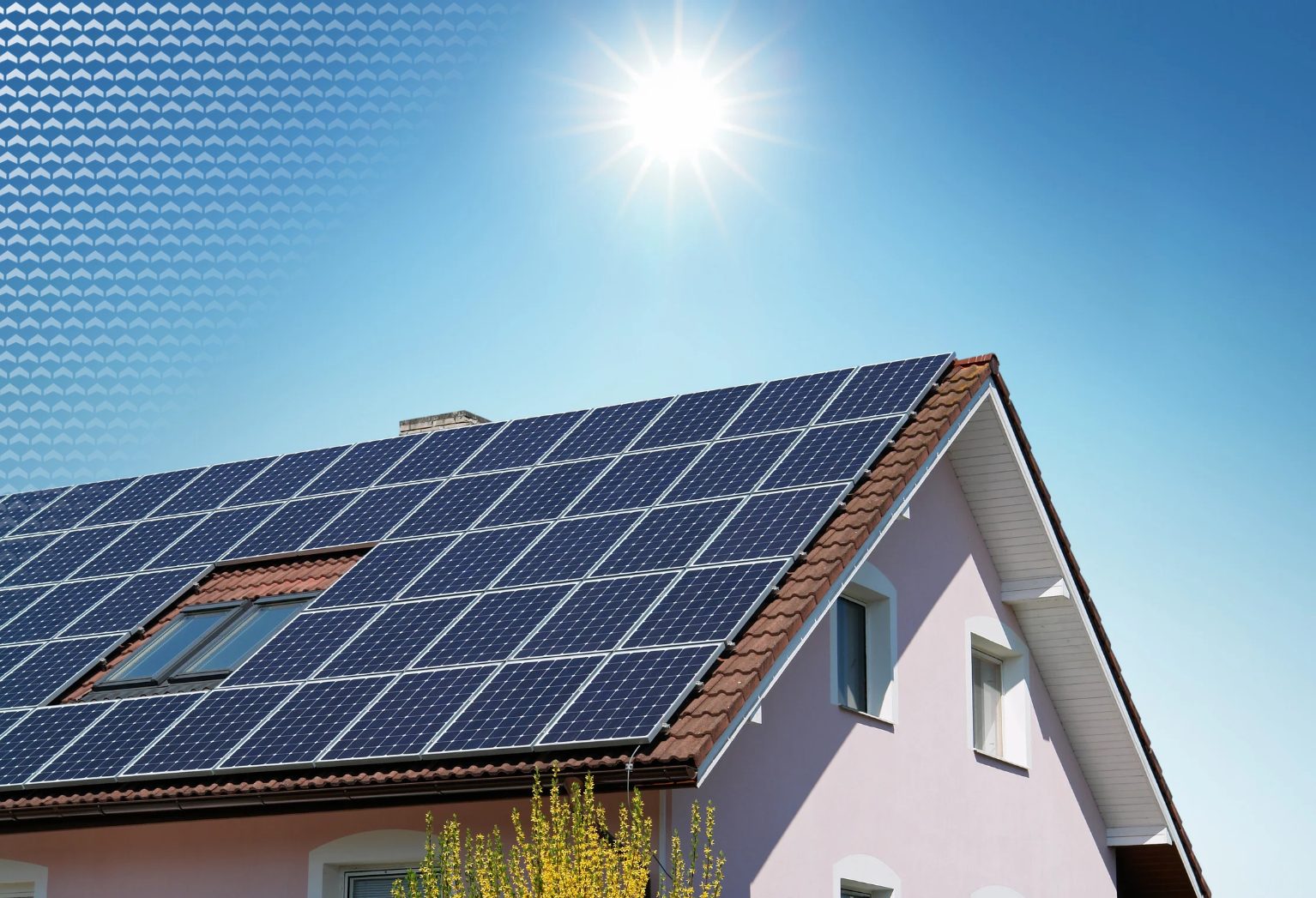
Buying or Selling a Home With Solar Panels in Winchester, VA
What happens if a Winchester home has a solar lease when it's sold?
If a home you're buying or selling has solar panels, the first question that matters isn't how much they save on the electric bill — it's who actually owns them. An owned system transfers with the house like any other improvement. A leased or financed system, often backed by a recorded lien-like filing against the property, has to be transferred, paid off, or otherwise resolved before your settlement agent can clear the title. Virginia has also just added new consumer-protection rules for solar contracts signed after January 1, 2027, which is worth knowing whether you're the one signing or the one buying a house where someone else already did.
By ERA OakCrest Realty | October 5, 2026
Solar is showing up more and more in listings across Frederick, Clarke, and Warren counties — new construction in growth corridors like Snowden Bridge and Stephenson increasingly offers it as a builder option, and plenty of older homes around Old Town, Stephens City, and Middletown picked up panels through a lease or power purchase agreement (PPA) over the past decade. That means more buyers are running into solar mid-transaction, and more sellers are discovering their own panels come with strings attached.
Here's what actually matters once you're under contract.
Owned vs. leased: two very different conversations
If the panels are owned outright — paid for in cash or already paid off through a loan that's since been satisfied — they're treated like any other fixture. They convey with the home, they show up as a feature in the listing, and buyers generally view them the way they'd view a newer roof or an updated HVAC system: a plus, not a complication.
If the panels are leased, or the home is under a PPA (where a company owns the system and sells the homeowner the electricity it produces), the picture changes. These arrangements typically come with a recorded filing — most often a UCC-1 fixture filing — that protects the solar company's ownership interest in equipment physically attached to someone else's house. A title search turns this up every time, and it has to be dealt with before closing.
When that happens, you generally have three paths:
- Transfer the lease or PPA to the buyer. This is the most common fix. The buyer applies with the solar company (credit check, sometimes a mortgage-approval check), and if approved, the contract simply changes hands at closing.
- Pay off or buy out the remaining contract. The seller settles the balance before or at closing, the lien is released, and the system converts to an owned asset the seller can then claim full value for in the sale price.
- Remove and relocate the panels. Rare, and usually only worth considering if the new property isn't the one being sold — this isn't a practical option for a typical resale transaction and usually isn't recommended given removal costs and the need for comparable production at the new site.
None of these are things you want to discover for the first time during your due-diligence window or the week before closing. The earlier your agent and settlement agent know a system is leased, not owned, the more options everyone has.
What Virginia's new solar law changes — and what it doesn't
Virginia's new Solar Consumer Protection Act takes effect January 1, 2027, and it's aimed squarely at the point of sale for new solar contracts — not at homes that already have panels installed. Starting on that date, any written contract for a residential solar system sale, lease, or PPA has to clearly spell out:
- The installer's name and Virginia contractor license information
- System specifications — panel brand, wattage, system size, and inverter type
- A written, specific production estimate, not a vague savings promise
- The full financing picture: total cost, down payment, financing terms, and the total amount paid over the life of a lease or PPA
Homeowners also get a short cancellation window after signing — a right that legally cannot be waived, even if the contract tries to say otherwise. Violations can carry meaningful civil penalties, and the law counts each missing disclosure separately, which gives installers a real incentive to get the paperwork right the first time.
This matters for the Winchester market in two ways. If you're a homeowner considering adding solar — increasingly common in the newer subdivisions east of Winchester — you'll have stronger paperwork protections starting next year than homeowners who signed a few years ago. And if you're buying a resale home with an older solar lease already in place, that older contract won't automatically carry the new disclosure requirements, which is exactly why you want your own eyes on the actual lease terms rather than relying on what the seller remembers signing.
What this means if you're selling
If you leased or financed solar and you're getting ready to list, don't wait until you have a buyer to figure out your options. Call your solar provider early and ask directly: can this lease transfer, what does a buyout look like, and how long does either process take. Some providers move quickly; others need weeks of lead time. That timeline needs to line up with your own listing and closing plans, not the other way around.
It's also worth being upfront about the lease in your listing conversations, even though Virginia's Residential Property Disclosure Statement is more of a "seller makes no representations" form than a line-by-line checklist. Buyers and their lenders will find the UCC-1 filing during title work regardless, and surprising them with it after they've fallen in love with the house rarely goes well for anyone's timeline.
What this means if you're buying
If a home you're touring in Stephenson, Stephens City, or anywhere else in the area has solar panels, ask one simple question before you get attached: owned, leased, or PPA? If it's leased or under a PPA, ask for the actual contract — not a summary — and have your agent flag it for the title company right away. You'll want to understand the remaining term, the monthly or annual cost, whether it's transferable, and what your credit needs to look like to qualify for an assumption.
This is exactly the kind of detail that's easy to miss in the excitement of finding the right house, and exactly the kind of thing a local agent who's walked other buyers through it can help you sort out before you're too far into the process to negotiate around it. Every situation is a little different depending on the specific lease, the lender, and the timeline you're working with — that's where it helps to have someone who knows this market walk through the numbers with you before you write the offer.
The bottom line
Solar panels aren't a dealbreaker on a Winchester-area home, in either direction. But "owned" and "leased" are two completely different transactions wearing the same rooftop, and the earlier that distinction gets sorted out, the smoother your closing goes. Virginia's new 2027 consumer protection rules will help future solar shoppers get clearer paperwork up front — but for anything already in place, the responsibility falls on buyers, sellers, and their agents to dig into the actual contract rather than assume.
If you're weighing whether to buy a solar-equipped home, add panels before you sell, or just want a second set of eyes on a lease you inherited, reach out to ERA OakCrest Realty and we'll help you work through what it means for your specific move.
Frequently Asked Questions
Can I sell my Winchester home if I still have a solar lease on it?
Yes, but the lease or power purchase agreement has to be addressed before closing. Most solar companies will let a qualifying buyer assume the lease, or you can pay it off and transfer ownership of the system to yourself before listing. Either way, your settlement agent needs to know about it early so title work isn't delayed.
What is a UCC-1 fixture filing and why does it matter when buying a house with solar panels?
A UCC-1 fixture filing is a lien-like record a solar leasing company files against a property to protect its ownership of equipment it still owns. Title searches turn these up, and lenders generally want them resolved, released, or formally assumed before they'll fund a buyer's mortgage.
Does Virginia's Residential Property Disclosure Statement cover solar leases?
Virginia's Residential Property Disclosure Statement is a "no representations" form rather than a detailed disclosure, so it doesn't require a line-by-line rundown of every contract attached to the home. That said, Virginia law requires sellers to be upfront about known title encumbrances, and a recorded UCC-1 filing is exactly the kind of detail buyers and lenders expect to see addressed well before closing.
What does Virginia's new solar consumer protection law change starting in 2027?
Starting January 1, 2027, Virginia law requires residential solar contracts to spell out installer licensing, system specifications, production estimates, and full financing terms in writing before a homeowner signs, with a short cancellation window that can't be waived. It applies to new contracts signed after that date, not to older leases already in place.
Do owned solar panels increase a home's value in the Winchester area?
An owned, paid-off solar system generally transfers to the buyer as a straightforward asset and tends to be viewed as a plus in a listing, similar to a newer roof or updated HVAC system. A leased or financed system is a different story, since the buyer is really evaluating whether to take over someone else's contract.
About ERA OakCrest Realty
ERA OakCrest Realty is a local team helping buyers and sellers navigate the Winchester and Northern Shenandoah Valley market, covering Frederick, Clarke, and Warren counties. Whether you're searching for your first home, upgrading to new construction, exploring luxury or investment properties, or getting ready to sell, the team walks you through pricing, paperwork, and negotiations with a straight talk, no surprises approach. Ready to talk through your specific situation? Reach out to ERA OakCrest Realty today.

Terms Of Use | Privacy Policy | Accessibility Statement | Fair Housing Notice
126 North Kent Street, Winchester, VA 22601 | 1018 Jefferson Ave, Charles Town, WV 25414
Suzette Neff, Broker

© 2024 MoxiWorks
©2022 ERA Franchise Systems LLC. All Rights Reserved. ERA Franchise Systems LLC fully supports the principles of the Fair Housing Act and the Equal Opportunity Act. Each ERA Office is Independently Owned and Operated. ERA and the ERA logo are service marks of ERA Franchise Systems LLC.
