

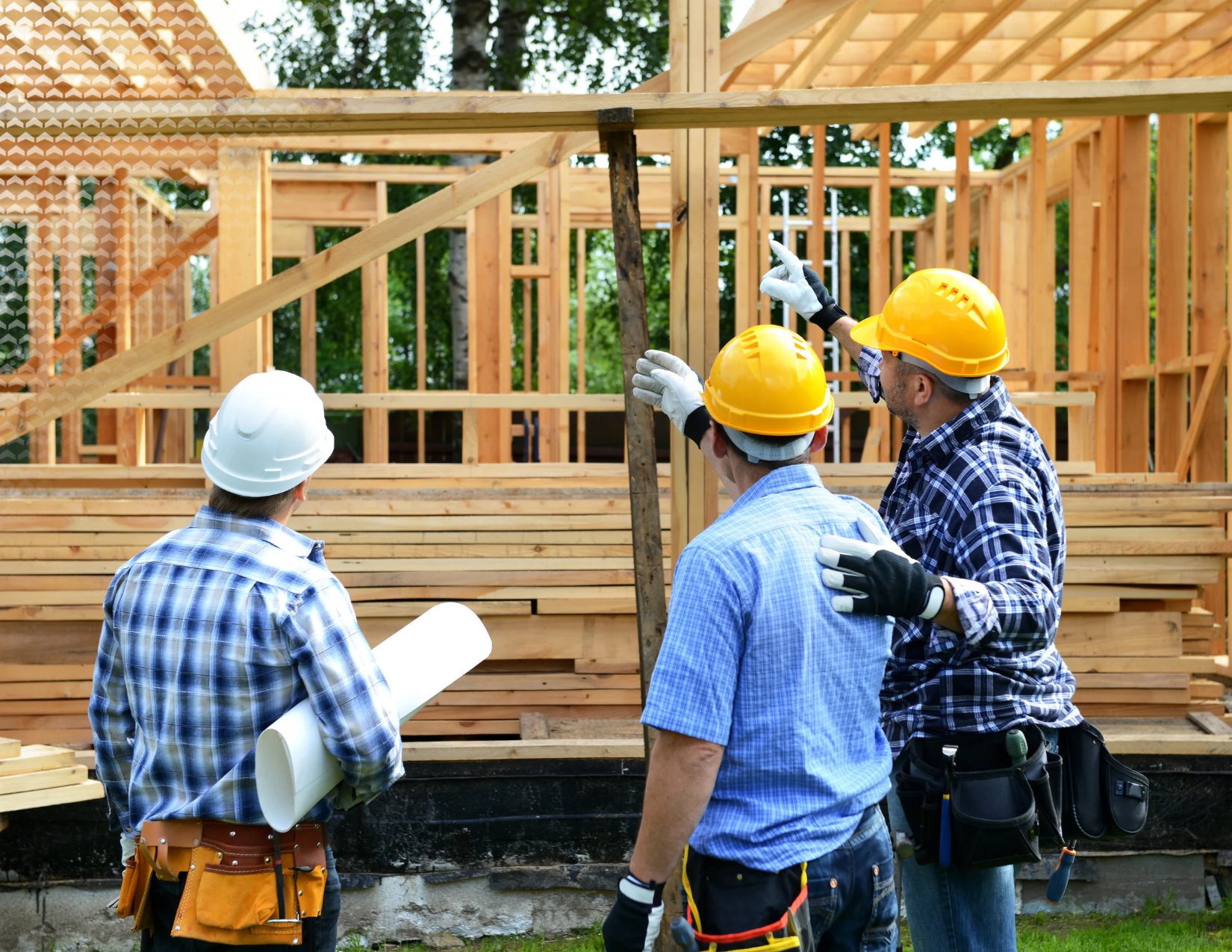
New Construction in Winchester: Buy Before It's Finished?
Should You Buy a New-Construction Home in Winchester Before the Community Is Finished?
Buying into a new-construction neighborhood in Winchester, VA while it's still being built can save you money and get you a brand-new home sooner — but it also means living through active construction, waiting on amenities, and buying into an HOA that the builder, not your neighbors, still controls. Communities like Laurelwood Commons and the Village at Valor Crossing are selling homes right now while crews are still finishing other sections. Before you sign, you need to understand what "still building" actually means for your day-to-day life and your long-term resale value.
By ERA OakCrest Realty | October 15, 2026
Winchester's new-construction pipeline is busy right now. Two active examples: Laurelwood Commons, a 34-townhome community Ryan Homes is building on the former WINC studio site, and the Village at Valor Crossing, a DRB Homes townhome community on Monteith Drive with homes still being released in new sections. Buyers touring these communities keep asking some version of the same question: is it smarter to buy now, while the builder still has incentives and inventory, or wait until the neighborhood is finished and the dust has literally settled?
There's no single right answer, but there is a clear checklist.
What "Still Building" Really Means Day to Day
When a community is actively building, you're not just buying a house — you're buying into a construction zone for a while.
- Construction traffic and noise. Expect work trucks, deliveries, and crews on a regular schedule, especially on weekdays. This typically fades as the builder finishes each phase and moves to the next section.
- Amenities arrive in phases. At Valor Crossing, for example, a basketball court, community center, playground, and trails are already open, while a community garden, multi-sport court, tot lot, and pavilion area are still listed as "coming soon." You may close on your home well before every planned amenity is actually usable.
- The builder controls the HOA at first. In a brand-new community, the builder — not an elected board of homeowners — typically runs the homeowners association during the build-out period. That means decisions about landscaping standards, shared spaces, and even fee increases are made without resident votes until enough homes have sold and the turnover to a homeowner-controlled board happens.
- Your neighbors are still arriving. Some homes near you may sit empty or under construction for months. That changes the feel of the street compared to a fully built-out neighborhood.
None of this is a reason to avoid new construction. It's a reason to ask the right questions before you sign a contract, not after you move in.
The Trade-Off: Earlier Pricing and Incentives vs. a Finished Neighborhood
The financial case for buying early in a community's build-out is usually about leverage, not just price.
Builders selling their final homes in a community often have less room to negotiate — they know the neighborhood will sell itself once it's finished. Builders in the early-to-middle phases of a project, by contrast, are often more willing to talk about rate buydowns, closing cost credits, or upgraded finishes to keep sales moving and hit their own lender's construction-loan targets. Quick move-in homes — ones already built and sitting finished, like several current listings at Valor Crossing — can also come with their own incentives because the builder wants them off the books.
The trade-off is that you're buying before you can walk the finished streetscape, see how the completed amenities actually get used, or judge how the HOA performs once homeowners — not the builder — are making the decisions.
A few things worth weighing:
- Compare the builder's incentive against your own lender's offer. Builders often promote financing through an affiliated lender as part of the incentive package. That can be a genuinely good deal, or it can simply offset a markup elsewhere in the contract — the only way to know is to get your own pre-approval and compare the full numbers side by side, not just the headline rate.
- Ask for the HOA's current budget and reserve study, even in a building-phase community. You want to see what the builder is actually charging for lawn care, snow removal, and common-area maintenance today, and whether that number is realistic once the builder hands control to homeowners.
- Ask what percentage of the community is sold and occupied. A community that's 80% sold behaves very differently than one that's 30% sold — less ongoing construction, a more established HOA, and a clearer resale comparison when you eventually want to sell.
- Get the construction and amenity timeline in writing. "Coming soon" should come with an actual target, even if it's an estimate.
New Homes in Winchester Still Come With Real Protections
Buying while a neighborhood is unfinished doesn't mean you're unprotected. Virginia law gives new-home buyers an implied one-year warranty against structural defects that runs from the date you take title or move in, with specific notice requirements if something goes wrong after closing. We've covered exactly how that warranty works, and the deadlines you need to track, in a separate guide.
You also have a statutory right to cancel after receiving your HOA disclosure packet — worth understanding before you sign, especially in a builder-controlled community where the HOA documents may still be evolving. Here's how that 3-day right of cancellation works in Virginia.
And if you're timing a purchase in a still-building community around the sale of your current home, the contingency and bridge-financing options we outline in our move-up buyer guide apply here too — new construction doesn't change the mechanics of needing your current house sold, or protected with a contingency, before you close on the new one.
Location Still Matters More Than the Phase
Don't let "still building" overshadow the bigger question: does the location itself work for you? Valor Crossing sits a short drive from Downtown Winchester, close to I-81 and Route 11, with a grocery store planned nearby as part of the broader Cedar Valley Neighborhood Design District redevelopment — a project we've written about separately, since it's reshaping that whole corridor. Laurelwood Commons, on the former WINC studio site, puts you closer to the city's core.
Both are examples of the same pattern happening across Winchester and Frederick County right now: builders filling in land near the city rather than only on the outer edges. That's worth factoring into your long-term resale thinking, independent of which phase of construction you're buying into.
What to Actually Do Before You Sign
Walk through this before you write an offer in any still-building community:
- Request the current HOA budget, rules, and projected assessment once the builder transitions control.
- Ask the sales office directly what percentage of homes are sold, under construction, and still unreleased.
- Get a written, dated estimate for any "coming soon" amenities you're counting on.
- Compare the builder's financing incentive against a pre-approval from your own lender — full numbers, not just the rate.
- Confirm your statutory rights around the HOA disclosure packet and the new-home warranty before you're past your cancellation window.
None of this is complicated, but it's easy to skip when you're excited about a new floor plan and a sales office pushing a deadline. A second set of eyes — someone who's walked other buyers through these exact communities — catches the details that get missed in the rush.
Frequently Asked Questions
Is it cheaper to buy early or late in a new-construction community's build-out?
It depends on the builder's sales pace, not a fixed rule. Early-to-mid-phase sales often come with stronger incentives because the builder needs momentum, while late-phase or quick move-in homes sometimes carry their own separate discounts to clear remaining inventory. Compare current incentives directly rather than assuming either phase is automatically the better deal.
Who controls the HOA while a Winchester community is still being built?
In most new Virginia communities, the builder controls the homeowners association's board and decisions until a set percentage of homes have sold, at which point control transitions to an elected homeowner board. Ask the builder's sales office exactly where the community stands in that transition before you buy.
Do new homes in Winchester come with a builder warranty?
Yes. Virginia law provides an implied one-year warranty against structural defects running from your title transfer or move-in date, separate from any additional warranty the builder itself offers. Notice requirements and deadlines apply, so it's worth understanding the process in advance rather than after a problem shows up.
Are amenities like pools, trails, or community centers guaranteed to be finished by move-in?
Not necessarily. Builders often phase amenities in alongside home construction, and "coming soon" features can take longer than buyers expect. Get a written timeline estimate rather than relying on marketing materials alone.
Should I use the builder's preferred lender in a Winchester new-construction community?
The builder's lender may offer a genuinely strong incentive, but it's worth comparing the full offer — rate, fees, and any tied closing credits — against a pre-approval from your own lender before deciding. The only way to know which actually saves you more is to see both sets of numbers side by side.
Every new-construction community moves through its build-out at its own pace, and the right call for one buyer isn't automatically right for the next. Your specific timing, financing, and risk tolerance all factor in — that's exactly the kind of conversation worth having before you fall in love with a floor plan.
Connect with ERA OakCrest Realty and we'll walk through the current new-construction options in Winchester, Frederick, Clarke, and Warren counties together, including where each community stands in its build-out.
About ERA OakCrest Realty
ERA OakCrest Realty is a local team helping buyers and sellers navigate the Winchester and Northern Shenandoah Valley market, covering Frederick, Clarke, and Warren counties. Whether you're searching for your first home, upgrading to new construction, exploring luxury or investment properties, or getting ready to sell, the team walks you through pricing, paperwork, and negotiations with a straight talk, no surprises approach. Ready to talk through your specific situation? Reach out to ERA OakCrest Realty today.

Terms Of Use | Privacy Policy | Accessibility Statement | Fair Housing Notice
126 North Kent Street, Winchester, VA 22601 | 1018 Jefferson Ave, Charles Town, WV 25414
Suzette Neff, Broker

© 2024 MoxiWorks
©2022 ERA Franchise Systems LLC. All Rights Reserved. ERA Franchise Systems LLC fully supports the principles of the Fair Housing Act and the Equal Opportunity Act. Each ERA Office is Independently Owned and Operated. ERA and the ERA logo are service marks of ERA Franchise Systems LLC.
